02 — The system

A material flow, not a heap.

Source separation and on-site sorting turn one mixed stream into four material lines, each with its own destination. Only the residual fraction is buried.

Organic — compost and biogas Plastics — recycled polymer Metal and glass — recovery Residual — lined cell
The circuit

Collection to destination, without a detour

Hover a line to isolate its path. Every stream has an identified buyer or use before it is separated — sorting without a destination only moves the problem.

Collection households, markets Transfer and sorting mechanised separation Organic 56–72% Plastics ~14% Metal and glass ~9% Residual ~13% Compost and biogas peri-urban agriculture, energy Recycled polymer sold to regional converters Recovered material scrap metal, crushed glass Engineered cell lined, with leachate capture
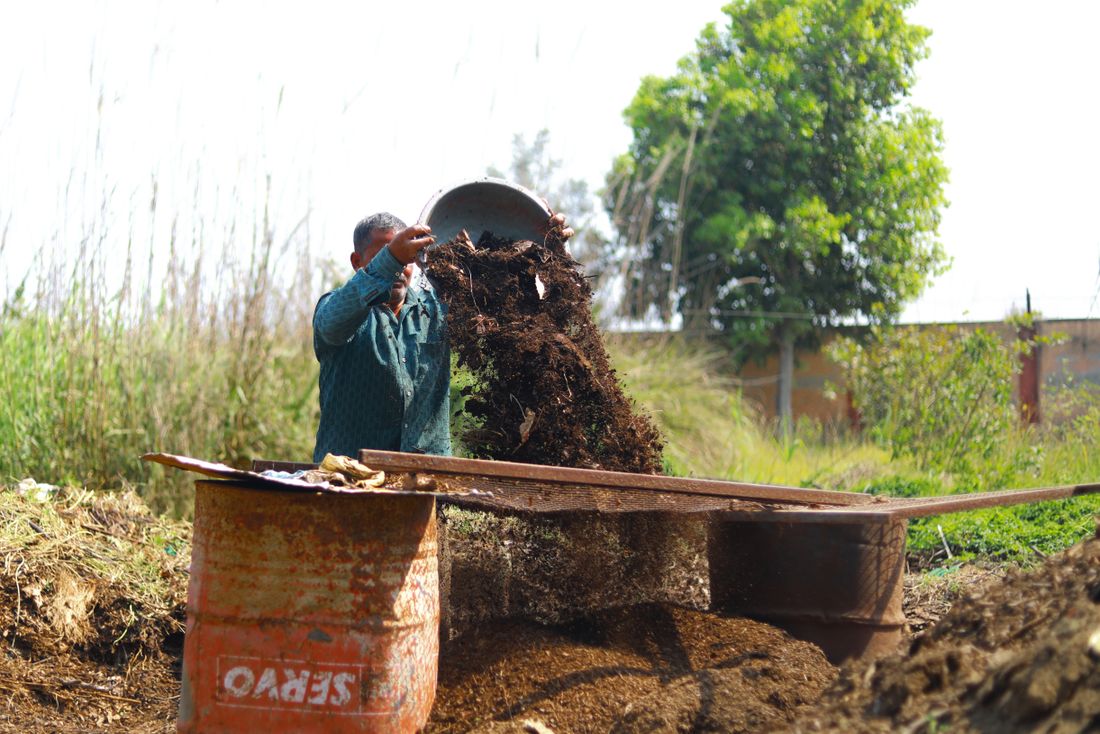
Finished compost being turned
OrganicCompost for peri-urban farms, then biogas.
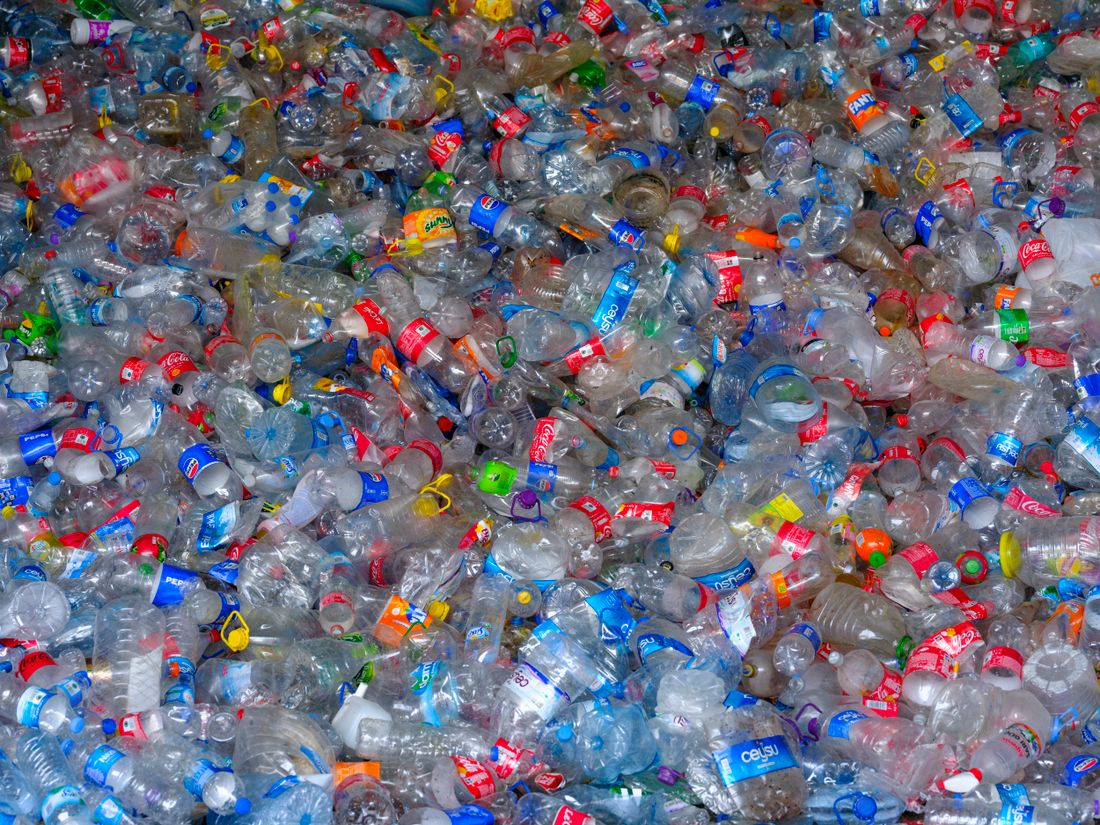
Sorted plastics gathered at a recycling centre
PlasticsWashed, baled, sold to converters.
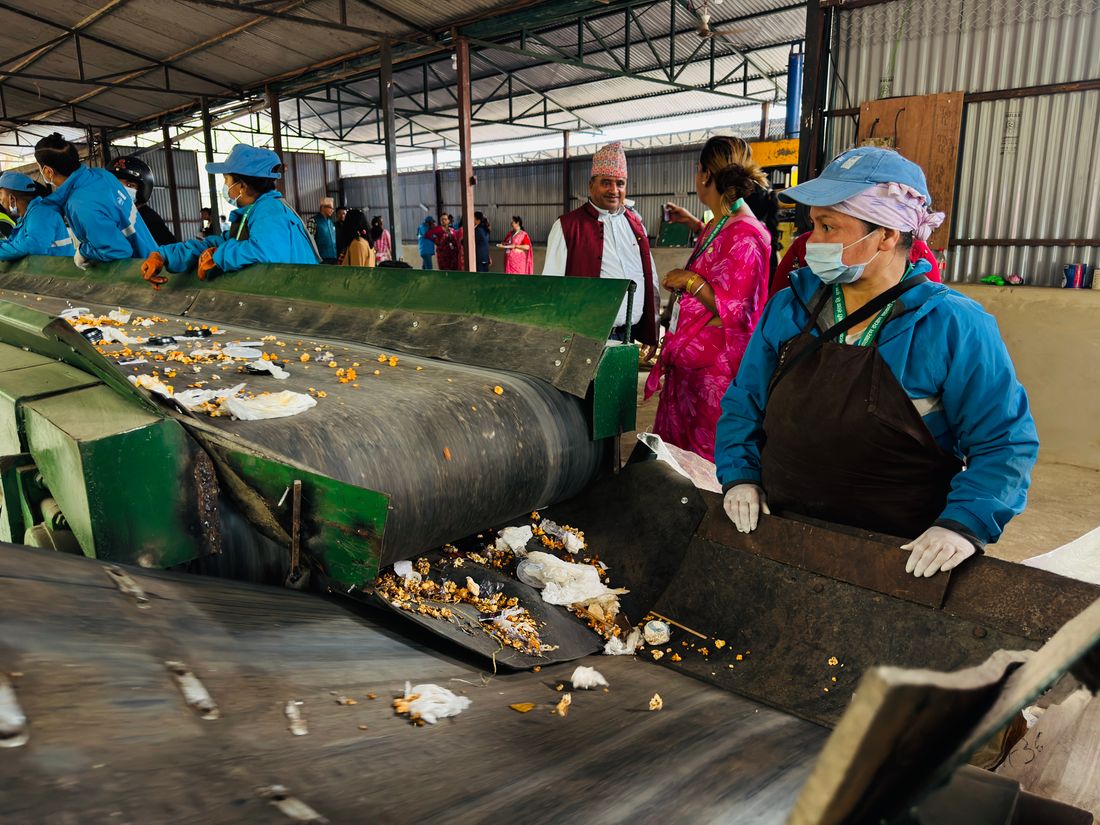
Workers separating recoverable material by hand
Metal and glassSeparated by hand, then magnetically.
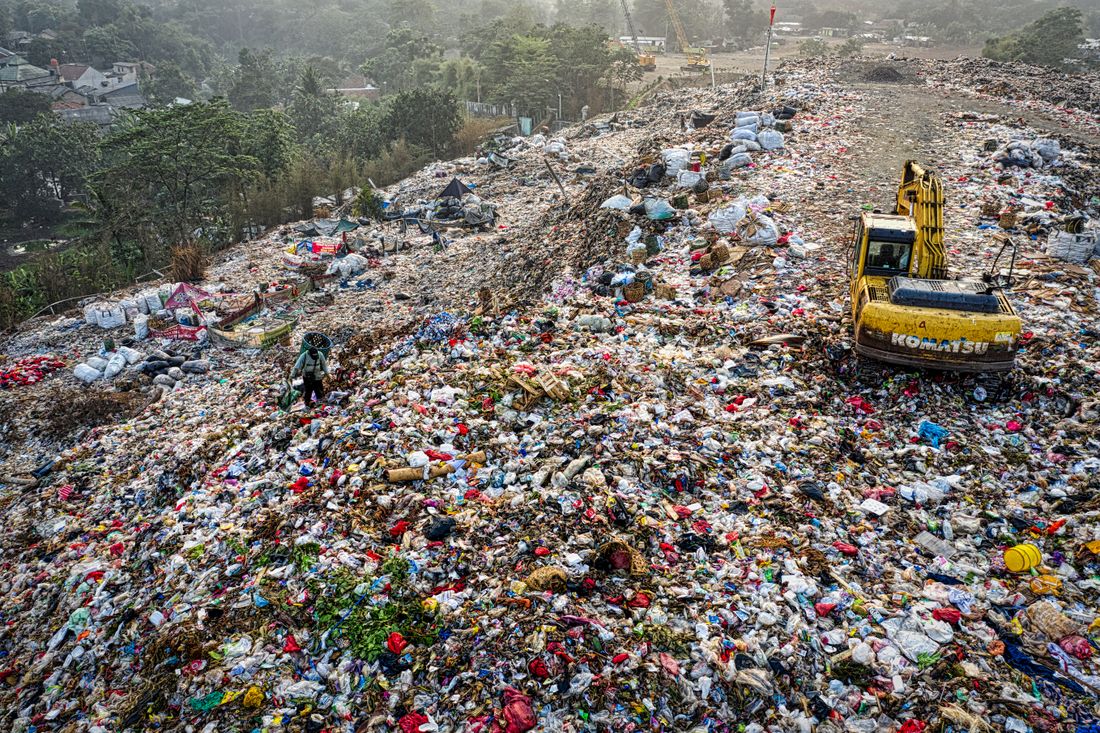
A landfill working face seen from above
ResidualThe only fraction buried, in a lined cell.
What changes

The same stream, three different results

Sorting is not the point. It is worth what it makes possible downstream — and what it takes out of the landfill.

~87%

diverted from burial

At full sorting capacity only the residual fraction reaches the cell — against the entire stream today.

3

revenue streams

Compost, polymer and recovered material all sell. They are what carry the system toward operating break-even.

0

informal pickers displaced

Recovery work already happens at Buterere. The programme formalises it rather than replacing it: pickers become paid, equipped sorting staff.

How it gets built and financed